
The Mystery of Allergies: How and Why Do We Become Sensitized?
For most of us, consuming peanuts, relishing a slice of watermelon, or strolling through a blooming garden is a harmless pleasure. Yet, for some, these everyday activities can trigger itching, sneezing, and even severe allergic reactions. One moment, everything’s fine and the next – not so much. Why does this happen? What mysterious turn of events prompts our bodies to suddenly view certain substances as foes rather than harmless entities? Dive into the world of allergies to unravel these questions.
Understanding Allergies
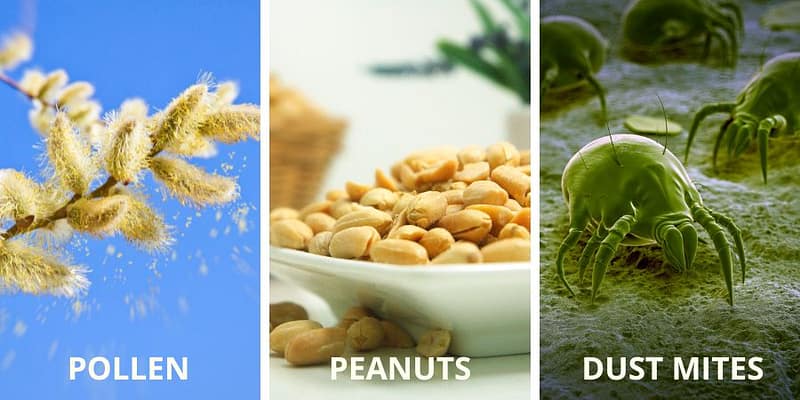
An allergy is essentially an overreaction of our immune system to substances that are usually not harmful. These substances, known as allergens, can range from food items like peanuts and shellfish to environmental factors like pollen and dust mites. When an allergic person encounters an allergen, their immune system mistakenly identifies it as a threat, leading to various symptoms, from mild reactions like rashes to severe ones like anaphylaxis.
The Journey to Sensitisation
Initial Exposure: The journey towards developing an allergy often starts with what seems like an inconsequential encounter with the allergen. On initial exposure, the immune system in predisposed individuals recognizes the allergen as a potential threat, leading to the production of a specific type of antibody called immunoglobulin E (IgE). However, allergic symptoms don’t usually manifest at this stage.
Subsequent Exposures: Upon subsequent exposures, these IgE antibodies recognize the allergen and bind to it. This prompts the release of chemicals like histamine from certain cells in the body. It’s these chemicals that cause allergic symptoms. This phenomenon of the immune system becoming more reactive to an allergen on successive exposures is termed sensitization.
Why Some and Not Others?
The question that persists is: Why do certain individuals develop allergies while others do not? The answer can be attributed to a blend of genetic predisposition and environmental influences.
Genetics: If your parents or siblings have allergies, you’re at a higher risk. It doesn’t mean you’ll be allergic to the same substances, but your chances of having some allergy are elevated.
Environment: Early childhood exposures play a role. For instance, children who grow up in very sanitized environments might not get exposed to a diverse range of microbes, which some theories suggest may increase the risk of allergies. Conversely, being exposed to certain allergens in infancy might increase or decrease the risk, depending on the allergen and the exposure level.
Modern Living: Some theories, like the hygiene hypothesis, suggest that modern living has reduced our exposure to varied microbes, impacting our immune system’s development and increasing allergy risks.
Other Factors: Factors such as infections during childhood, diet, pollution, and even certain medications can influence allergy development.
The Sudden Onset Mystery
Why can you eat peanuts your entire life and then suddenly develop an allergy? The human body’s immune system is a complex entity, continually evolving and changing based on genetics, environment, and even our health and diet.
Changes in Gut Health: A shift in your gut microbiota can influence immune responses. Factors affecting gut health, like antibiotics or dietary changes, might play a role in developing new allergies.
Physical Triggers: Factors such as exercise, alcohol, or even some non-prescription pain killers can, in some cases, bring to light a latent food allergy.
Hormonal Shifts: Women sometimes report the onset or change in allergic symptoms with pregnancy, menopause, or menstruation, pointing towards a hormonal link.
Final Thoughts
Allergies remain a fascinating area of study, and while researchers have uncovered many of its mysteries, questions remain. Understanding the root causes can aid in prevention and better management. If you suspect you have developed an allergy, consult with a healthcare provider. They can provide diagnosis, guidance, and in many cases, solutions to help manage or even decrease sensitivities over time.
Further Reading: